canlı casino siteleri online casino rottbet giriş rott bet güncel giriş
canlı casino siteleri online casino rottbet giriş rott bet güncel giriş
When it comes to deep foundation construction, knowing a pile’s true load-bearing capacity is crucial. A Static Pile Load Test is the industry-standard method for determining how a pile will perform under load in real-world conditions.
Whether you’re working on commercial buildings, bridges, or industrial facilities, this test helps ensure that your foundation is both safe and compliant.
In this post, we’ll explain what static pile load testing is, why it matters, and how optimizing your measurements with smart wireless tools like PileSense™ can make a difference in every project.
What is a Static Pile Load Test?
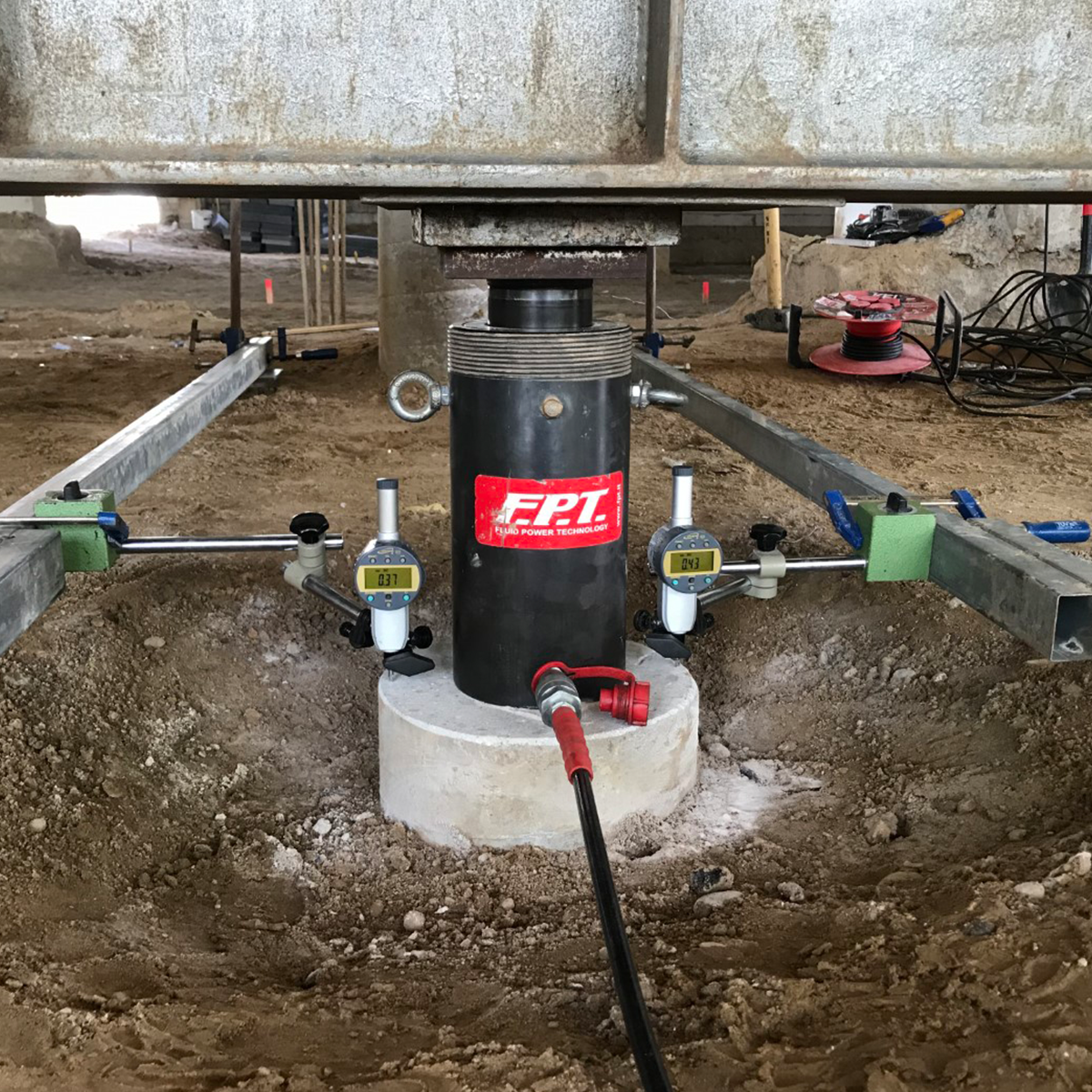
A Static Pile Load Test is a controlled field test designed to measure a pile’s ability to bear vertical loads. The test applies a steadily increasing load to a foundation pile while precisely measuring its movement.
The main goal of this test is to confirm whether the pile will support the intended structural loads before full-scale construction proceeds.
Why Static Pile Load Testing Matters
Static pile load testing plays a critical role in construction by ensuring the structural integrity of foundation performance. It also helps protect against costly foundation movement or failure.
Beyond safeguarding the structure, static load testing is often a required step for regulatory compliance, mandated by engineering codes, authorities, or project owners.
Additionally, it provides valuable real-world data that allows engineers to refine foundation designs, which can lead to more efficient use of materials and potential cost savings.

How is a Static Pile Load Test Performed?
- While specific methods vary, the general procedure includes:
- Pile Installation: The test pile is installed to meet project specifications.
- Loading Setup: A reaction frame or anchor piles are arranged to resist the applied load.
- Applying Load: Load is applied incrementally, typically using hydraulic jacks, to maintain control and safety.
- Measuring Movement: Deflection or settlement of the pile is recorded at each load stage over time.
- Data Interpretation: Results are analyzed to determine load capacity and settlement behavior
The Importance of Accurate Measurements
Accurate measurement of pile settlement is essential for a successful static load test. Even the smallest errors in reading displacement can lead to:
- Misinterpretation of load capacity
- Design flaws or costly overdesign
- Failed inspections or project delays
Common challenges with traditional manual measurements include human error, difficult site conditions, and inconsistent data logging.
That’s why many engineers and contractors are moving towards smarter digital solutions that ensure high-precision measurement and real-time data collection.

How Wireless Solutions like PileSense Improve Accuracy and Efficiency
PileSense™ Wireless Static Pile Load Test Kit is designed to eliminate the guesswork from your testing process. Here’s how it helps you optimize measurement accuracy and efficiency:
- Real-Time Data Collection – Instantly capture load and displacement data with wireless sensors and automated logging
- Remote Monitoring – Access data live from a safe distance, improving site safety and flexibility
- Reduced Human Error – Minimize manual readings and transcription mistakes.
- Time-Saving – Faster setup and data collection enables you to complete tests more efficiently without compromising quality.
The Foundation of a Successful Project
A Static Pile Load Test is more than a regulatory requirement, it’s a critical safeguard for structural integrity, project efficiency, and overall success.
But even the best testing method can fail you if the measurements aren’t accurate.
That’s where advanced tools like PileSense™ come in – providing reliable, real-time data that help contractors and engineers make informed decisions, reduce risk, and streamline test workflow.
Ready to optimize your static pile load testing? Click the button to get started.